Be sure you have the basic vocabulary to speak English fluently. Review the vocabulary of everyday conversations in family, food, health, clothing, etc. Use a picture dictionary or vocabulary cards or make flash cards for words you need to learn. Carry them with you, so you can review them in your spare time.
Listen to spoken English every day. Listen to music on CD or radio, and watch TV or movies in English. Exposing yourself to spoken English can help you remember vocabulary words and how they are pronounced. If you like to sing, sing along in English when listening to music.
Read books and magazines in English for pleasure. Reading English will improve both your vocabulary and speaking ability. Reading widely lets you learn English more naturally and helps you to think in English more easily.
Give your mouth and vocal apparatus practice. If you feel shy about your accent or have difficulty with pronunciation, try repeating words on CDs or recordings. Do some of your reading aloud to give your mouth and tongue even more practice. Record your speaking activities using a digital audio recorder.
Speak English every day. If you live in an English-speaking country, talk to native speakers as often as you can. Join community groups or clubs and practice your English. Patience and practice over time are the keys to learning to speak a second language fluently.
Practice by yourself if you can't find a partner. Practice out loud while driving or exercising. If you don't want to speak out loud in public, practice mentally. Make up conversations in your head. Continual practice, including mental practice, will help you start thinking in English. The more you immerse yourself in English, the more fluently you will speak it.
 SPEAKING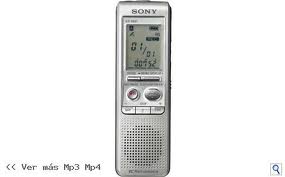
 USEFUL WEBSITES